Compliance beyond borders: Preparing for fragmented financial regulation in 2025
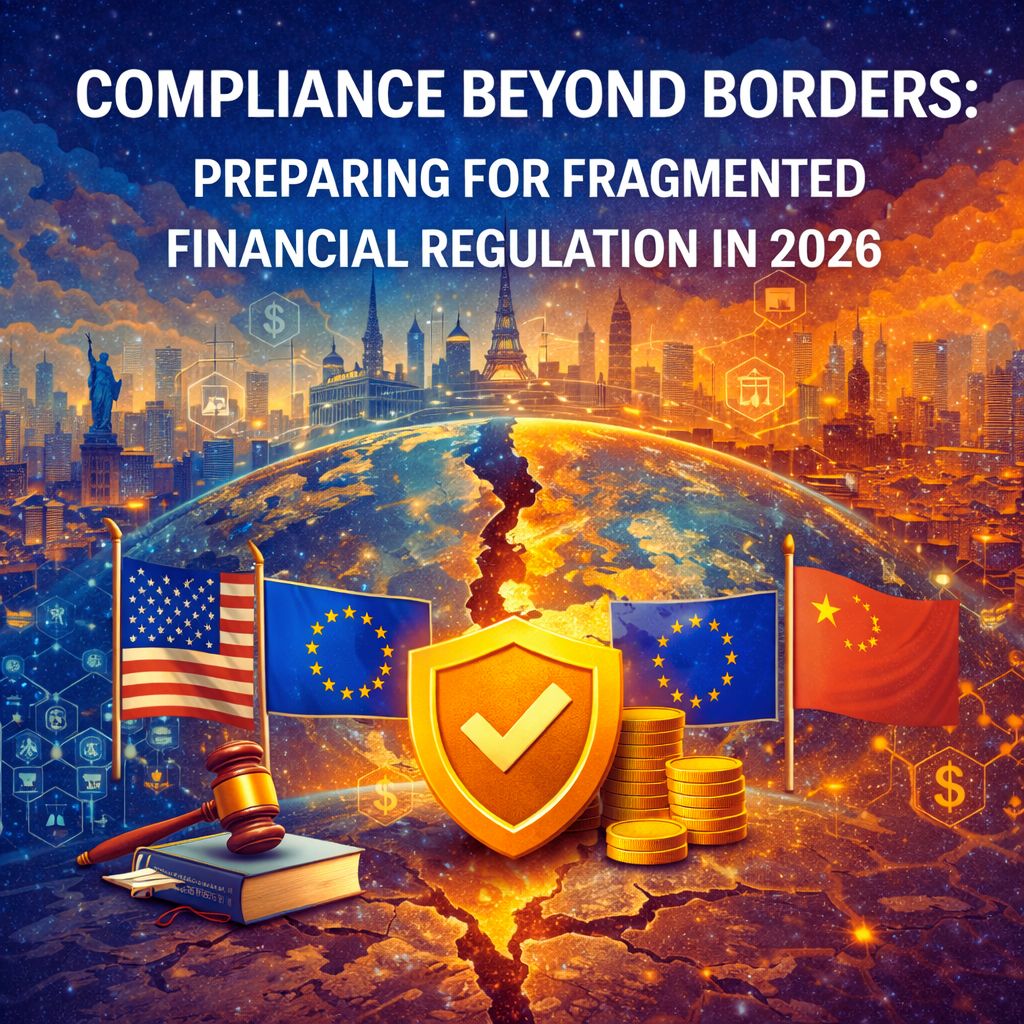
As we enter this new year, the cost of regulatory friction is no longer a peripheral expense to be managed by a compliance department; it has evolved into a core strategic risk that impacts capital allocation and market access. Geoeconomic fragmentation is reshaping the global financial landscape.
The IMF has issued stark warnings that a severe decoupling scenario could slash global GDP growth by as much as 7%, creating a stagflationary environment driven by trade barriers and investment restrictions. For cross-border insurers, banks, and asset managers, the financial implications are even more direct and immediate.
The most recent analysis from authoritative bodies confirms this decisive shift. Both the 2026 EY Global Financial Services Regulatory Outlook and the latest IAIS Global Insurance Market Report (GIMAR) highlight a rapid and accelerating move toward regulatory localization and sovereignty.
The IAIS, in particular, stresses that geoeconomic fragmentation is not just a political phenomenon but is now recognized as a primary transmission channel for systemic financial market volatility, directly impacting the ability to diversify risk globally. We are seeing pronounced, fundamental divergences in regulatory standards across the key jurisdictions of the US, the EU, and the Asia-Pacific bloc. These differences are creating a complex and costly web for global compliance functions, manifesting most acutely in three critical areas:
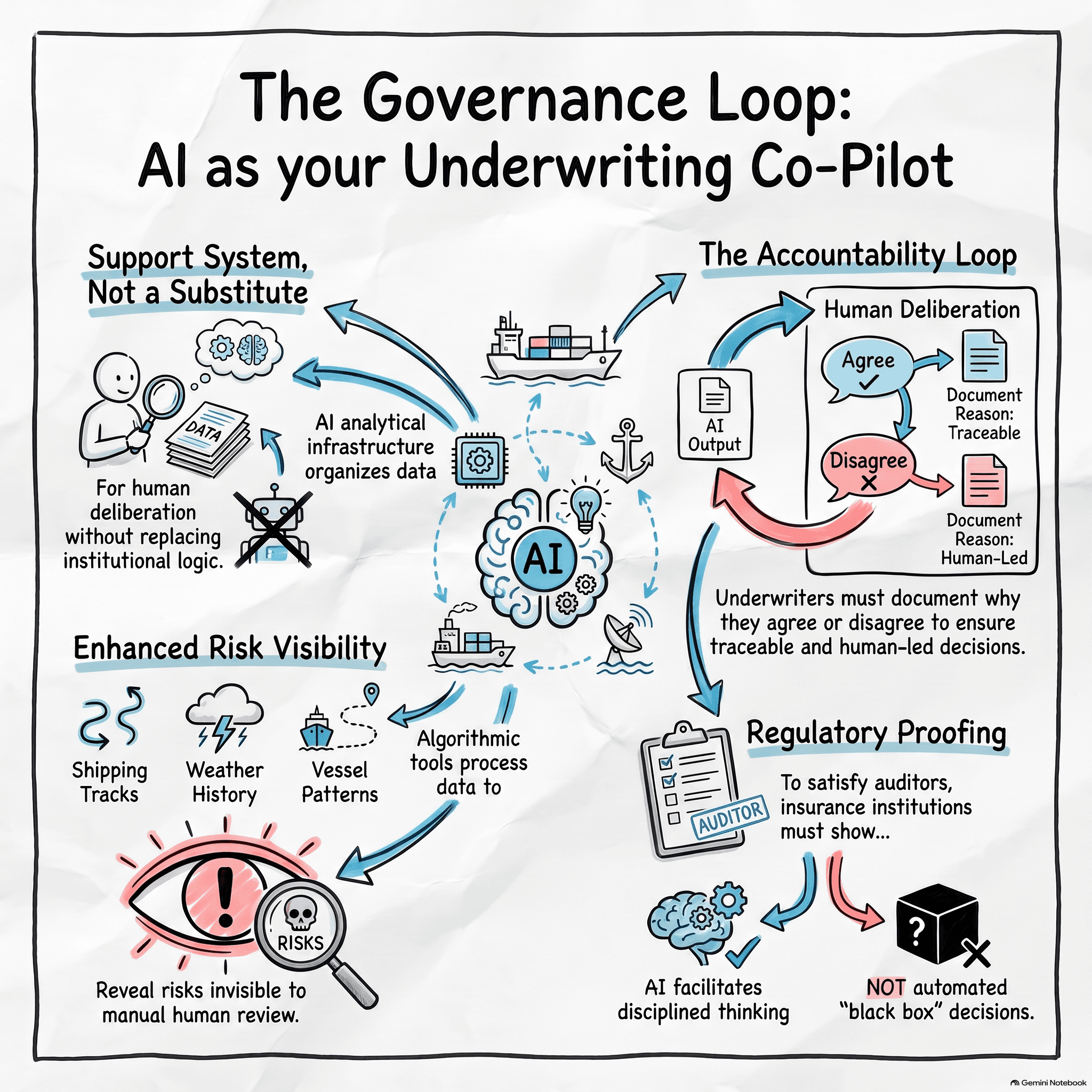
AI Governance: The rapid deployment of Artificial Intelligence in underwriting and claims processing is meeting a fragmented global response, exemplified by the EU’s comprehensive AI Act compared to the US’s sectoral and principle-based approach. This disparity complicates the development of unified, globally scalable AI models.
Digital Assets and Payments: Regulatory sandboxes and licensing regimes for digital assets, including stable coins and tokenized securities, are diverging significantly, forcing firms to build country-specific operating models that fracture liquidity pools and inhibit efficiency.
Climate and Sustainability Disclosure: The global standard for ESG reporting is fracturing, with the EU’s Corporate Sustainability Reporting Directive (CSRD), the SEC’s rules in the US, and national taxonomies in Asia creating overlapping and sometimes contradictory reporting burdens.
In my experience leading specialized risk teams across multiple continents, I’ve learned that achieving stability and protecting shareholder value in such a fractured market cannot be found simply in updated compliance manuals or increased headcount.
Stability is not a static state; it must be built into the very mechanics of the risk framework.
My perspective is grounded in the synthesis of executive market leadership and rigorous academic research. I fundamentally believe that applying scientific rigor and quantitative discipline to these regulatory shifts, treating them as variables in a structural risk model, is the only way to safeguard capital efficiency.
This is paramount at a time when the fundamental benefit of the global financial system, namely cross-border risk pooling, is increasingly constrained by regulatory and geopolitical friction. The challenge ahead is to quantify the unquantifiable: the premium associated with non-fungible, localized regulation.
Strategic Insight
This fragmentation is more than an administration burden, it’s a structural risk. It limits our ability to diversify portfolios and increase concentration risk on both the asset and liability sides. The 2026 landscape demands a move from static box-ticking to dynamic, tech-enabled risk partnering. In sectors like Marine and Financial Risks, the winners will be those who can decouple their operational models from regulatory friction using agentic AI and automated decision-making.
The 2026 Executive Playbook:
Map Your Capital Traps: Conduct a high-level audit of jurisdictions where regulatory divergence is creating fungibility. Identify where local rules are beginning to erode global capital efficiency.
Operationalize Agentic AI Governance: Don’t wait for a global standard that may never arrive. Implement a proprietary governance framework that ensures AI explainability and auditability, allowing you to adapt to local rules at pace.
Rebalance for Localization: Shift your strategic focus to geopolitically closer markets. Evaluate whether your current global footprint is a source of strength or a liability in a world of slowbalisation.
Stress-Test for Supply Chain Decoupling: Use real-time geopolitical data to model the impact of trade barriers on your trade credit and specialty lines. Historical data is a lagging indicator in 2026.
In this era of fragmented regulation, compliance is no longer a back-office function, it is a competitive advantage. The ability to navigate these borders with precision will define which firms thrive and which are paralyzed by the cost of complexity.